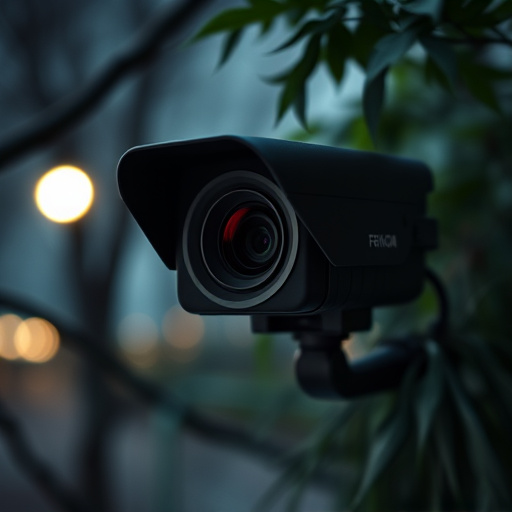
RF detector sweep technology is a leading method to identify hidden cameras in elderly care facilities, prioritizing privacy and security. The best hidden cameras for this setting must be sophisticated yet detectable, with advanced tools allowing caregivers to maintain well-being while respecting residents' personal space. These top-rated models offer remote monitoring, high-quality video, and sensitive motion detection, striking a balance between protection and privacy. Legal and ethical considerations, including consent and placement rules, are crucial for implementing these cameras, fostering trust through transparent surveillance practices.
Uncover hidden threats with a comprehensive guide to RF detector sweeps for identifying covert cameras in elderly care settings. This tutorial delves into cutting-edge technology, walking you through the selection of the best hidden cameras for effective monitoring while navigating legal and ethical boundaries. Learn the step-by-step process for conducting thorough RF sweeps, ensuring safety, privacy, and peace of mind for both residents and staff.
- Understanding RF Detector Sweep Technology for Hidden Camera Detection
- Choosing the Best Hidden Cameras for Elderly Care Environments
- Step-by-Step Guide: Conducting an Efficient RF Detector Sweep
- Legal and Ethical Considerations When Using Hidden Cameras for Elderly Care Monitoring
Understanding RF Detector Sweep Technology for Hidden Camera Detection
RF (Radio Frequency) detector sweep technology is a powerful tool in the quest to uncover hidden cameras, especially those used in sensitive areas like elderly care facilities. This innovative method employs specialized equipment to detect and identify radio frequency signals, which are often emitted by covert cameras designed to remain undetected. By sweeping through different frequencies, these detectors can pinpoint the exact location of a hidden camera, making it an invaluable asset for ensuring privacy and security.
When it comes to the best hidden cameras for elderly care, using RF detection sweeps offers a proactive approach to safety. These technologies are designed to keep up with the evolving methods used by manufacturers to create increasingly sophisticated hidden cameras. By employing such advanced tools, caregivers and facility managers can confidently maintain an environment that prioritizes resident privacy and well-being, ensuring peace of mind for both staff and loved ones.
Choosing the Best Hidden Cameras for Elderly Care Environments
Step-by-Step Guide: Conducting an Efficient RF Detector Sweep
To conduct an efficient RF detector sweep, follow this step-by-step guide tailored for best hidden cameras for elderly care applications. First, prepare your equipment, ensuring you have a reliable RF detector and adequate knowledge of its functions. Start by powering on the device and selecting the appropriate frequency range to detect signals from hidden cameras, which often operate within specific bands. Next, calibrate the detector to minimize false readings, adjusting sensitivity levels as needed for precise results.
Begin your sweep in a systematic manner, covering every corner of the surveillance area. Move in a structured pattern, ensuring thorough coverage without missing any potential camera locations. As you detect signals, mark their sources and take note of their strengths, helping you identify hidden cameras within the care setting. Regularly pause to review detected signals and ensure accuracy, cross-referencing with your knowledge of the facility layout.
Legal and Ethical Considerations When Using Hidden Cameras for Elderly Care Monitoring
When utilizing hidden cameras for elderly care monitoring, it’s paramount to balance privacy concerns with the benefits of ensuring safety and well-being. Legal and ethical guidelines must be strictly adhered to, especially since surveillance can significantly infringe on personal privacy. The use of Best Hidden Cameras for Elderly Care should only occur with explicit consent from all involved parties, including residents and their families.
In many jurisdictions, there are strict rules regarding where cameras can be placed and the purpose they serve. For instance, some areas require cameras to be clearly visible as a deterrent to covert installation. Ethical considerations also dictate transparency about surveillance, ensuring the elderly individual understands why and how cameras are being used in their care setting. This approach fosters trust and empowers them to make informed decisions regarding their privacy rights.
RF detector sweeps offer a powerful tool for identifying hidden cameras in elderly care environments. By understanding the technology, selecting the best hidden cameras designed for such settings, and following a meticulous step-by-step guide, professionals can ensure privacy and security while adhering to legal and ethical guidelines. Choosing the right equipment and conducting thorough checks are essential steps in promoting trust and safety among residents and staff alike, making it a valuable practice in today’s digital era.