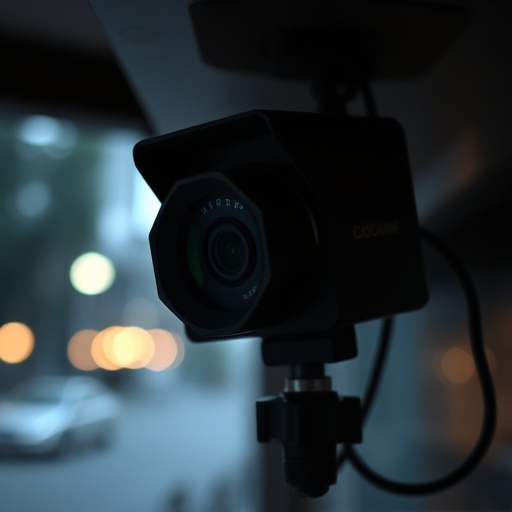
Microphone bug sweeping detects hidden listening devices in spaces, crucial for privacy and security, especially in elderly care facilities. Professionals use specialized equipment like frequency scanners, thermal imaging cameras, sound level meters, and UV lights to identify bugs. At home, follow best practices when using Best Hidden Cameras for Elderly Care: systematically inspect rooms, focus on hiding spots, stay updated on tech, and verify professionals' credentials. Ethical considerations are vital; consult legal experts before implementing bug sweeping to avoid privacy breaches and legal issues.
Uncover the secrets behind microphone bug sweeping, a crucial practice in ensuring privacy and security. This comprehensive guide delves into the art of detecting hidden microphones, essential for home safety. From understanding the basics to exploring advanced techniques, we equip you with knowledge. Learn about best practices for thorough bug sweeps, especially relevant for elderly care monitoring. Discover the right equipment, including top-rated hidden cameras suitable for this purpose. Additionally, navigate ethical and legal considerations surrounding bug sweeping.
- Understanding Microphone Bug Sweeping: The Basics
- Common Techniques for Detecting Hidden Microphones
- Best Practices for a Comprehensive Bug Sweep at Home
- Choosing the Right Equipment for Elderly Care Monitoring
- Ethical Considerations and Legal Aspects of Bug Sweeping
Understanding Microphone Bug Sweeping: The Basics
Microphone bug sweeping, also known as audio surveillance or hidden camera detection, is a critical process aimed at identifying and neutralizing covert listening devices—often referred to as bugs—hidden within a space. These bugs can take various forms, from small microphones disguised as everyday objects to sophisticated audio transmitters. The primary goal of bug sweeping is to ensure privacy and security, especially in sensitive areas like elderly care facilities where the Best Hidden Cameras for Elderly Care play a vital role in monitoring and safeguarding residents.
By employing advanced techniques, professionals sweep rooms or buildings methodically to detect any audio signals that might indicate the presence of bugs. This involves utilizing specialized equipment such as frequency scanners and thermal imaging cameras. Trained sweeps will look for unusual electromagnetic emissions, heat signatures, or visual anomalies that could suggest hidden devices. Regular bug sweeping is essential for maintaining a secure environment, especially in light of evolving technology making these surveillance tools increasingly sophisticated and hard to detect.
Common Techniques for Detecting Hidden Microphones
Detecting hidden microphones, often referred to as bug sweeps, is a delicate process requiring specialized equipment and expertise. One common technique involves utilizing RF (Radio Frequency) detectors that can pick up signals from active bugs. These devices scan for unusual electromagnetic emissions, indicating the presence of covert listening devices. For more targeted approaches, thermal imaging cameras are employed to identify heat signatures inconsistent with the environment, potentially revealing hidden hardware.
Additionally, audio engineers use sound level meters and noise profiling to detect anomalies in ambient noise, which could suggest the operation of a hidden microphone. In elderly care settings, using Best Hidden Cameras for Elderly Care equipped with advanced audio-visual capabilities can aid in identifying such devices, ensuring privacy and security. These techniques, when combined with thorough inspections and knowledge of common hiding spots, offer comprehensive solutions for detecting hidden microphones.
Best Practices for a Comprehensive Bug Sweep at Home
When conducting a comprehensive bug sweep at home, especially focusing on elderly care using best hidden cameras, several best practices can ensure thoroughness and effectiveness. Firstly, identify all potential hiding spots where bugs might be placed or live, such as corners, behind furniture, under rugs, and in electrical sockets. These areas often go unnoticed during regular inspections but are common places for micro-cameras to be concealed. Employing a systematic approach, room by room, allows for a meticulous search.
Additionally, utilize specialized equipment designed for bug detection, including infrared cameras and UV lights that can reveal hidden circuitry or devices. Regularly updating your tools and staying informed about new technology in the market ensures you’re equipped to detect even sophisticated bugs. Verifying the credentials of the individuals conducting the sweep is also vital; professionals with experience in elderly care using best hidden cameras will have a deep understanding of privacy considerations while ensuring a thorough search.
Choosing the Right Equipment for Elderly Care Monitoring
When setting up a monitoring system for elderly care, selecting the appropriate equipment is paramount. Among the various tools available, hidden cameras are often considered the best option for discreetly observing and ensuring the well-being of seniors in their homes. These cameras offer a non-intrusive way to capture activities without compromising privacy.
The market offers a range of high-quality, compact hidden cameras designed specifically for elderly care monitoring. Look for devices with features such as night vision, motion detection, and two-way audio capabilities. Top-rated brands often provide user-friendly interfaces, allowing caregivers or family members to remotely monitor activities from anywhere at any time. By choosing the right equipment, you can maintain peace of mind, detect potential issues early on, and ensure your loved ones receive the best possible care in a familiar home environment.
Ethical Considerations and Legal Aspects of Bug Sweeping
The ethical and legal landscape surrounding bug sweeping, especially in domestic settings, is a complex web to navigate. While the primary goal of implementing such measures is to ensure safety and security—for instance, with the use of best hidden cameras for elderly care—it’s imperative to respect privacy rights. Unethical or illegal bug sweeping can lead to severe repercussions, including civil lawsuits and criminal charges, as individuals have a reasonable expectation of privacy in their homes.
In many jurisdictions, there are strict regulations on what types of devices can be used for monitoring, where they can be placed, and who has access to the recorded data. For example, installing hidden cameras without consent or knowledge of residents can violate privacy laws. It’s crucial for homeowners considering bug sweeping techniques, especially for elderly care, to consult legal experts to ensure their actions align with local regulations, thereby avoiding potential ethical and legal traps.
Microphone bug sweeping, or audio surveillance detection, is a critical practice in ensuring privacy and security, especially in sensitive environments like elderly care homes. By employing advanced techniques and equipment, such as specialized audio detectors and best-in-class hidden cameras for elderly care monitoring, professionals can identify and mitigate potential bugs effectively. Following the outlined best practices and understanding the ethical considerations, individuals and institutions can maintain a safe and secure space while respecting privacy rights. This comprehensive guide equips readers with the knowledge to navigate this intricate field, ensuring peace of mind in an increasingly digital world.