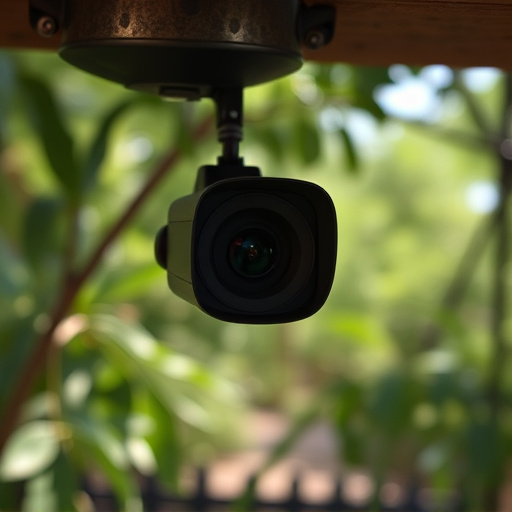
Elderly care homes balance safety and privacy through strategic surveillance. Cameras in hidden locations like outlets, detectors, and frames monitor discreetly. High-quality equipment with night vision and remote access offer peace of mind for families. Professional installation ensures ethical practices while maintaining transparency. Regular maintenance is crucial for optimal performance and reliable video surveillance. Use of best hidden cameras should be transparent, with consent from residents or guardians, as a last resort for genuine safety concerns.
In today’s world, ensuring safety in elderly care homes is paramount. This comprehensive guide delves into counter surveillance techniques, offering a professional’s perspective on implementing effective security measures. We explore identifying common surveillance points within these facilities and recommend the best hidden cameras for discreet yet powerful monitoring. From installation methods to ethical considerations and regular maintenance tips, this article equips caregivers with the knowledge to safeguard residents while respecting privacy.
- Identifying Common Surveillance Points in Elderly Care Homes
- Best Hidden Cameras: Unobtrusive Yet Effective Solutions
- Professional Installation: Ensuring Discretion and Quality
- Ethical Considerations: Privacy vs. Safety Monitoring
- Regular Maintenance: Optimizing Camera Performance
Identifying Common Surveillance Points in Elderly Care Homes
In elderly care homes, understanding common surveillance points is paramount for maintaining safety and privacy. While ensuring the well-being of residents, it’s crucial to be aware of potential hidden surveillance locations. High-traffic areas like nursing stations, common living spaces, and dining halls are often equipped with cameras for monitoring purposes. However, professionals recommend using best hidden cameras for elderly care in less obvious places such as wall outlets, smoke detectors, and even picture frames to provide a comprehensive view without disrupting the home environment.
Identifying these hidden spots allows caregivers to capture potential issues discreetly, fostering a secure atmosphere. When selecting surveillance equipment, consider devices that offer high-quality images, night vision capabilities, and remote access for efficient monitoring. This strategy ensures both peace of mind for families and effective care management while respecting the privacy of elderly residents.
Best Hidden Cameras: Unobtrusive Yet Effective Solutions
When it comes to ensuring safety and peace of mind in elderly care facilities, the best hidden cameras offer unobtrusive yet effective surveillance solutions. These discreet devices are designed to blend into their surroundings, making them ideal for monitoring activity without disturbing residents or staff. For instance, miniature camera systems that can be disguised as everyday objects like light switches, smoke detectors, or even flowers provide a non-intrusive way to capture footage.
Specific models tailored for elderly care environments often include features such as night vision, motion detection, and two-way audio, allowing caregivers to communicate remotely and respond promptly to any alerts. The use of best hidden cameras in these settings promotes transparency, enhances accountability, and ultimately contributes to the overall well-being of the elderly population under care.
Professional Installation: Ensuring Discretion and Quality
When setting up a counter surveillance system, particularly for elderly care—where discretion and quality are paramount—it’s crucial to invest in professional installation services. Experts in this field understand the nuanced requirements of such sensitive environments. They employ stealthy methods to ensure hidden cameras, like the best ones designed for elderly care, are strategically placed without raising suspicion among residents or caregivers.
Professional installers also guarantee top-tier quality control, testing each camera’s functionality and ensuring optimal performance. They prioritize ethical practices, adhering to privacy laws and regulations while providing comprehensive training on system operation for both caregiving staff and family members. This ensures peace of mind, knowing that surveillance is being conducted competently, discreetly, and in adherence to legal standards.
Ethical Considerations: Privacy vs. Safety Monitoring
In the realm of elderly care, balancing privacy and safety monitoring is a delicate task. As professionals, it’s essential to consider the ethical implications of implementing surveillance measures. While hidden cameras can be valuable tools for ensuring the well-being of seniors, especially those with cognitive impairments or memory issues, they also raise concerns about privacy invasion. The debate revolves around the justification for using best hidden cameras for elderly care and the extent to which caregivers can intrude into an individual’s personal space.
Respecting privacy is a fundamental human right, but in certain situations, it may need to be balanced against the potential risks. Caregivers must adhere to strict guidelines when employing surveillance technology, ensuring that any monitoring is conducted transparently and with the consent of the elderly individuals or their legal guardians. The use of hidden cameras should be a last resort, carefully considered for specific cases where there are genuine safety concerns, rather than a general practice to maintain a sense of privacy and dignity for the seniors in our care.
Regular Maintenance: Optimizing Camera Performance
Regular maintenance is a crucial aspect of counter surveillance, especially when utilizing hidden cameras for elderly care. Optimizing camera performance involves ensuring clear and unobstructed views, adjusting lighting conditions, and calibrating focus and exposure settings. For instance, regularly cleaning sensors and lenses can prevent dust and debris from compromising image quality. This is particularly important with the best hidden cameras for elderly care, which often operate discreetly but require meticulous care to capture crisp footage.
In addition, scheduling periodic calibration checks ensures that cameras accurately record ambient light levels, leading to more reliable and consistent video surveillance. Regular maintenance also includes software updates, which can enhance camera functionality, improve motion detection algorithms, and integrate with other monitoring systems for a comprehensive security solution. Such proactive measures not only safeguard the well-being of elderly individuals but also ensure that hidden cameras operate at peak performance, providing clear and accurate evidence when needed.
In conclusion, implementing a comprehensive counter surveillance system in elderly care homes involves strategic placement of best hidden cameras, professional installation for optimal discretion and quality, ethical consideration of privacy versus safety monitoring, and regular maintenance to ensure peak camera performance. By integrating these key elements, caregivers can foster a secure environment while respecting the privacy of their residents, ensuring the best possible care for all. When selecting equipment, focusing on high-quality, unobtrusive best hidden cameras designed for elderly care is paramount, allowing for effective monitoring without compromising comfort or dignity.